Automating trucks and buses on UK roads
13 Aug 2026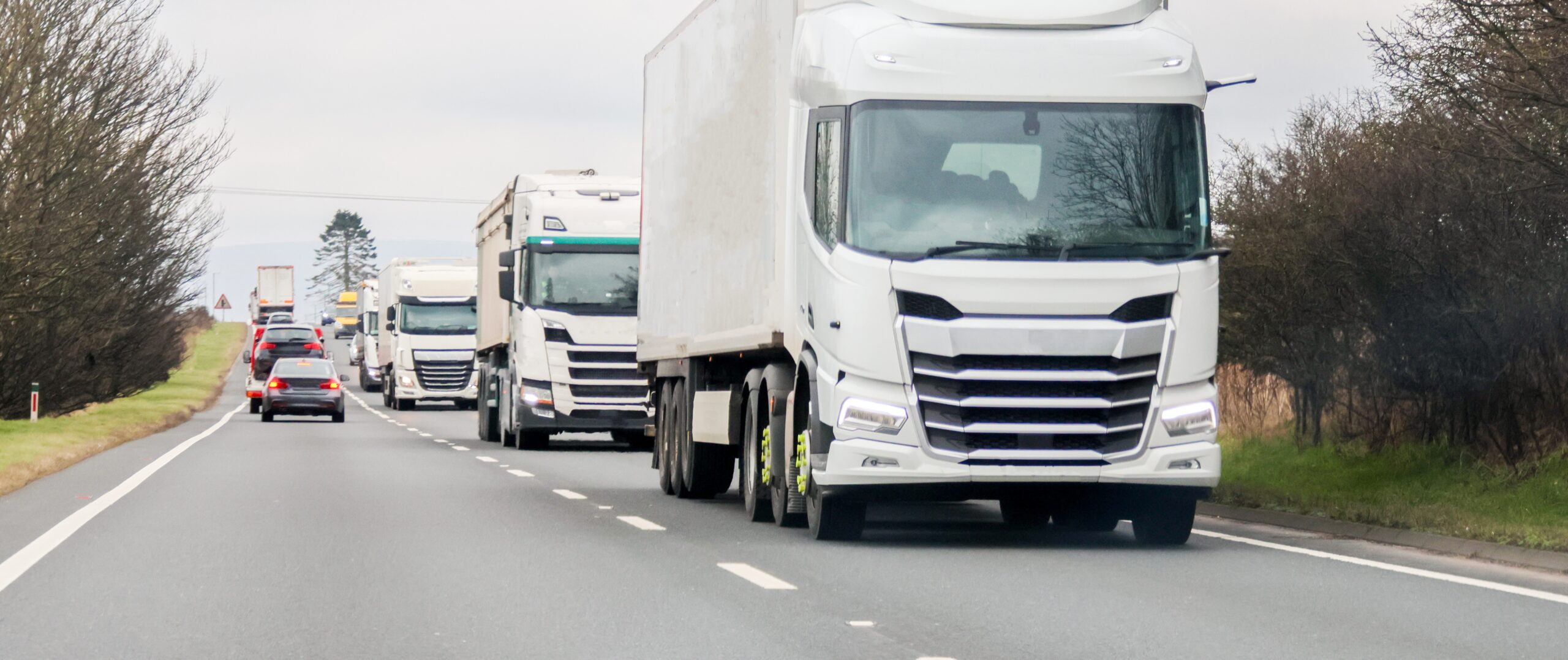
The UK鈥檚 automated vehicle opportunity is no longer a distant vision of driverless taxis on the streets of London. But perhaps one of the largest near-term opportunities in fact lies in buses and HGVs: the vehicles that keep people and goods moving, and where connected and automated mobility can deliver practical gains in productivity, safety and accessibility.
This week鈥檚 announcements underlined that momentum, among them government backing for a new wave of CAM Pathfinder projects with 拢17 million to develop, test and commercialise technologies including self-driving capability, advanced sensors, brake-by-wire systems and AI simulation. Crucially, these projects are not confined to private cars or taxis 鈥� they cover use cases including scheduled bus services, airside airport operations and depot movements, showing that autonomy should be treated as an industrial and commercial transport opportunity, not a novelty.
That matters because automating buses and commercial vehicles can help to tackle real problems those sectors are facing today. They could support more frequent, reliable services where driver shortages, operating costs or thin demand make routes difficult to sustain. They can also improve utilisation and safety particularly in controlled environments, such as depots, ports, airports and distribution centres. Meanwhile, for on-road logistics, long-distance haulage and last-mile delivery, there is scope to reduce downtime, increase efficiency and strengthen supply chain resilience.
91成人 analysis suggests connected and automated mobility could deliver an annual 拢66 billion economic benefit to the UK by 2040 if deployment moves beyond trials into real, scaled up commercial use. The same analysis identifies major opportunities in logistics and passenger transport alongside other operations in warehouses, ports and airports.
The UK already has strong foundations to nurture CAV innovation; a mature automotive sector, specialist testbeds, supportive legislation and a growing ecosystem of technology providers and trailblazing fleet operators. Continued funding will help turn promising innovation into practical deployment, supporting the partnerships needed to bring connected and automated mobility into everyday use.
But leadership will not be secured by pilots and demonstrations alone. Commercial deployment will require clear regulation, robust safety assurance, public confidence, cyber resilience, data governance and investment in the supply chains that can build and maintain these systems at scale. These are challenges and opportunities which 91成人 and our members will continue working on in partnership with government to deliver long-term success for the UK鈥檚 self-driving vehicle transition.